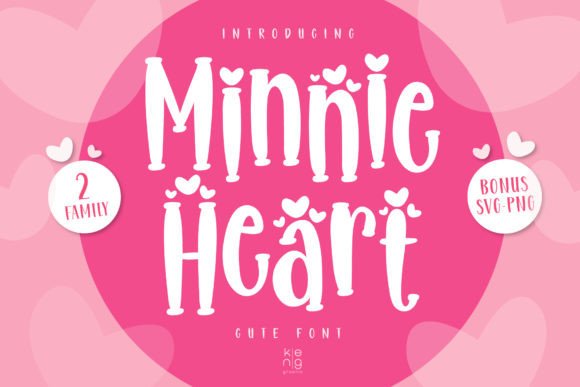
Minnie Heart Font: A Cute Display Typeface for Branding
As a small business owner, you know that every visual touchpoint matters. From the logo on your website header to the sticker sealing your shipping box, typography communicates your brand’s personality before a customer even reads a single word. Finding a typeface that balances charm with commercial viability is often a challenge. You want something distinctive enough to be memorable but professional enough to build trust. This is where Minnie Heart enters the conversation. As a display font with a cute style and significant visual punch, it offers entrepreneurs a practical solution for creating instantly recognizable brand assets without sacrificing clarity.
Defining the Personality of Minnie Heart
Minnie Heart is not a body text workhorse; it is a specialist. Categorized as a display font, it is designed specifically to grab attention at larger sizes. Its aesthetic leans into a playful, rounded, and approachable vibe that feels handmade yet polished. For business owners in creative industries, this specific mood is invaluable. It avoids the stiffness of corporate serif fonts while steering clear of the messy illegibility that plagues many decorative script fonts.
The "punch" mentioned in its description refers to its weight and presence. On a crowded Instagram feed or a busy market stall, Minnie Heart holds its own. The letterforms are bold enough to remain legible when printed on textured packaging or viewed on mobile screens, which is a critical consideration for modern commerce. It carries a sense of warmth and nostalgia that resonates deeply with customers looking for authentic, human-centric brands rather than faceless corporations.
Practical Applications Across Business Touchpoints
Versatility is key for entrepreneurs who need one design asset to work across multiple platforms. Minnie Heart excels when applied strategically to high-impact areas of your business. Here is how this creative font translates to real-world materials:
- Product Packaging and Labels: For handmade candles, artisanal jams, or boutique skincare, Minnie Heart serves as an excellent product name typeface. Its cute style suggests care and craftsmanship, reinforcing the value of handcrafted goods. Because it is a display font, it remains readable even on smaller jar labels or hang tags.
- Social Media Graphics: Consistency builds recognition. Using Minnie Heart for headlines in Instagram carousels, Pinterest pins, or TikTok thumbnails creates a cohesive visual thread. The font’s distinct shape stops the scroll, encouraging users to engage with your content.
- Branding and Logos: If your business targets a younger demographic or focuses on joy, comfort, or creativity, this typeface can anchor your logo design. It works particularly well for bakeries, pet shops, children’s clothing brands, and lifestyle coaches.
- Customer-Facing Print Materials: Thank-you cards, menu headers, and event flyers benefit from the font’s friendly tone. It softens the transactional nature of business communications, making customers feel appreciated and connected.
Building Trust Through Typographic Consistency
Professionalism in small business branding does not mean being boring. It means being consistent. When customers see the same expressive typeface on your website banner, your business card, and your product packaging, they subconsciously register your business as established and trustworthy. Minnie Heart provides a strong anchor for this consistency.
However, using a display font requires discipline. To maintain a professional appearance, reserve Minnie Heart for titles, logos, and short phrases. Avoid using it for long paragraphs, pricing tables, or fine print. Overusing a decorative font can lead to visual fatigue and readability issues, which undermines the user experience. By treating Minnie Heart as a premium accent rather than a default setting, you ensure your brand looks curated and intentional.
Strategic Font Pairing for Readability
No font exists in a vacuum. To make Minnie Heart truly effective in a business context, it must be paired with a supporting typeface that handles the heavy lifting of information delivery. The contrast between your display font and your body font creates hierarchy and guides the customer’s eye.
For a modern, clean look, pair Minnie Heart with a geometric sans serif font. The simplicity of a sans serif balances the ornate details of the display font, ensuring that your essential business information—like ingredients, prices, or contact details—is effortlessly readable. Alternatively, pairing it with a classic serif font can add a touch of vintage sophistication, perfect for heritage brands or traditional crafts. Always test these pairings at actual size. What looks good on a 27-inch monitor may become cramped on a 2-inch product label or a smartphone screen.
Testing Before Committing to Your Brand Identity
Before overhauling your entire brand identity, conduct practical tests with Minnie Heart. Create mockups of your most critical assets. Print out a product label at 100% scale to check legibility. View your social media templates on a phone rather than a desktop. Ask for feedback from existing customers or peers in your industry. Does the font align with your price point? Does it appeal to your specific target audience?
Consider the longevity of the style. While trendy fonts can provide a quick boost, business branding should ideally last for years. Minnie Heart’s blend of retro charm and modern boldness gives it a timeless quality that transcends fleeting design fads, making it a safer investment for long-term brand building compared to hyper-trendy novelty fonts.
Navigating Commercial Licensing for Entrepreneurs
One of the most overlooked aspects of typography in business is licensing. Using a font commercially involves legal considerations that protect both the designer and your business. Before using Minnie Heart on products for sale, merchandise, client work, or digital downloads, verify the specific license terms.
Many fonts offer different tiers: personal use, commercial use, and extended commercial use. If you plan to use the font on physical products sold in large quantities, or if you intend to embed it in editable templates for customers, you likely need an extended license. Respecting intellectual property is a hallmark of a professional business. Proper licensing ensures you can use your branding assets confidently across all marketing channels without fear of legal complications. Always keep your license documentation accessible, especially if you work with external printers or web developers who may request proof of rights.
Elevating Your Visual Marketing
Typography is one of the most cost-effective ways to elevate a small business. Minnie Heart offers a unique opportunity to inject personality and warmth into your brand without requiring custom illustration or expensive rebranding services. By understanding its strengths as a display font, pairing it wisely with readable body text, and applying it consistently across your marketing ecosystem, you create a visual language that speaks directly to your ideal customers. In a marketplace saturated with generic design, a thoughtful typographic choice can be the difference between being scrolled past and being remembered.