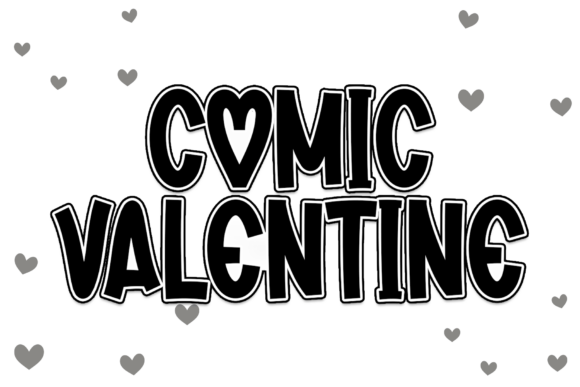
Comic Valentine Font for Handmade Crafts
As a fellow maker and small business owner, I know the struggle of finding a typeface that feels authentically handmade without looking messy or unprofessional. We need fonts that translate beautifully from screen to physical product, whether we are cutting vinyl for tumblers, printing wedding invitations, or designing digital planners. Comic Valentine is a handwritten font that captures that elusive sweet spot. Drawn with the aesthetic of a marker, it possesses a relaxed and sporty feel that distinguishes it from the overly frilly scripts often found in the display category. For those of us creating products for sale, this typeface offers a versatile, commercially viable option that adds genuine character to branding, logos, wedding supplies, greeting cards, and fashion items.
The Marker Aesthetic in Physical Products
The visual personality of Comic Valentine lies in its simulated marker strokes. Unlike digital fonts that look too perfect, this typeface retains the organic variation of hand lettering. For crafters using Cricut or Silhouette machines, this texture is invaluable. When you cut this font out of adhesive vinyl or heat transfer vinyl (HTV), the slight imperfections and bold strokes mimic the look of hand-painted signage. This makes it exceptionally suitable for farmhouse-style wooden signs, acrylic wedding welcome boards, and custom apparel. The "sporty" aspect mentioned in the description translates practically to a bolder weight and open counters, meaning the letters remain legible even when scaled down for jar labels or sticker sheets. It avoids the thin, wispy lines that often cause cutting failures or weeding nightmares, making it a reliable workhorse for production-based crafting.
Elevating Brand Identity and Packaging
For handmade sellers, consistency builds trust. Using Comic Valentine across your brand assets creates a cohesive identity that feels approachable yet established. Because it sits comfortably in the display font category, it works best as a primary logo typeface or a secondary accent font rather than body text. Imagine using it for the brand name on a boutique clothing tag or the main title on a candle label. The relaxed vibe communicates warmth and accessibility, which is crucial for connecting with customers in the handmade market. When designing packaging, such as tissue paper stamps, thank-you cards, or shipping box stickers, this font adds a premium touch without appearing stiff. It suggests that a real person created the product, enhancing the perceived value and emotional appeal of your merchandise.
Practical Applications for Stationery and Printables
If you design digital downloads or physical stationery, readability is just as important as style. Comic Valentine shines in applications where short phrases, names, or titles need to pop. Here are specific ways to utilize this font effectively in your product lineup:
- Wedding Stationery: Use it for couple names on invitations, table numbers, or seating charts. Its sporty edge modernizes traditional wedding aesthetics.
- Greeting Cards: Perfect for bold sentiments like "Happy Birthday" or "Thank You" where the text needs to act as the central illustration.
- Planner Accessories: Ideal for dashboard covers, monthly headers, and sticker kits where users need quick visual recognition.
- Wall Art: Creates impactful typographic posters and nursery prints that look like custom calligraphy rather than typed text.
- Fashion & Apparel: Excellent for team jerseys, spirit wear, or casual boutique tees due to its athletic, marker-drawn heritage.
When creating templates for sale, remember that this font commands attention. It is not designed for long paragraphs. Reserve it for headlines and decorative elements to maintain customer satisfaction and ensure your designs remain functional.
Font Pairing Strategies for Makers
To maximize the commercial utility of Comic Valentine, pairing it correctly is essential. Because it has a distinct, textured personality, it needs a supporting typeface that provides stability and contrast. Avoid pairing it with other heavy display fonts or chaotic script fonts, as this creates visual clutter. Instead, anchor it with a clean sans serif font like Montserrat or Open Sans for subheadings and details. This combination balances the playful energy of the marker style with modern professionalism. Alternatively, for a more traditional or elegant look, pair it with a simple serif font. This juxtaposition works beautifully for wedding invitations or high-end product labels, bridging the gap between casual charm and formal sophistication. Always test your pairings at actual print size to ensure the hierarchy reads clearly on the final product.
Technical Considerations for Cutting and Printing
Before adding Comic Valentine to your next project, consider the technical realities of production. Since it mimics marker ink, check the file formats included to ensure compatibility with your software. If you are selling SVG designs, verify that the font converts cleanly to paths without losing its characteristic texture. For printed goods, pay attention to ink spread; the bold nature of this font can sometimes fill in on low-quality paper or porous materials like kraft cardstock. Always run a test print or cut. Additionally, explore any included alternates, ligatures, or swashes. These extra glyphs allow you to customize repetitive words in digital planner stickers or create unique logo variations, preventing your products from looking identical to others using the same typeface. Multilingual support is another critical factor if you serve a diverse customer base or sell internationally, ensuring your designs remain inclusive and professional.
Navigating Commercial Licensing for Sellers
As creators selling physical products, templates, and digital assets, understanding licensing is non-negotiable. Comic Valentine is a creative asset, but your ability to monetize it depends entirely on the specific license terms provided by the foundry. Never assume a font is free for commercial use. Carefully review whether the license covers physical end products (like mugs and shirts), digital templates (like Canva or Corjl links), and SVG files for resale. Some licenses differentiate between small business tiers and large-scale manufacturing. Protecting your shop from copyright issues is as important as the design itself. Investing in the correct commercial license not only keeps your business legal but also supports the type designer, ensuring they continue creating high-quality tools for our community. Always keep your license receipt on file and credit the designer in your product listings when required or appropriate, as this transparency builds trust with both your customers and fellow creatives.